What to Know Before Buying a New Construction Home in San Antonio
What to Know Before Buying a New Construction Home in San Antonio
What should you know before buying a new construction home in San Antonio?
Buying a new construction home in San Antonio can be a smart move, but it is not automatically risk-free. Before you fall in love with a model home, you need to understand inspections, builder warranties, resale risks, location details, incentives, and how builder representatives work.
New Construction Homes in San Antonio Are Everywhere
If you are looking at new construction homes in San Antonio, you already know there are options in almost every direction.
You can find new home communities across San Antonio, around Loop 1604, throughout the northeast side, along the San Antonio-to-Austin corridor, toward New Braunfels, Schertz, Cibolo, Boerne, and even farther west toward Del Rio. Some neighborhoods offer entry-level pricing, while others stretch into higher-end price points.
That variety can be exciting, but it can also make the buying process confusing.
A brand-new home may look clean, modern, and move-in ready. The model home may be staged beautifully. The builder may offer strong incentives, preferred financing, or even extremely low advertised interest rates. But the real question is not just, “Can you buy it?”
The better question is:
Are you buying the right home, from the right builder, in the right community, with the right protections in place?
That is where things get more serious.
The Model Home Is Not Always the Home You Are Buying
One of the biggest mistakes buyers make is judging the entire community by the model home.
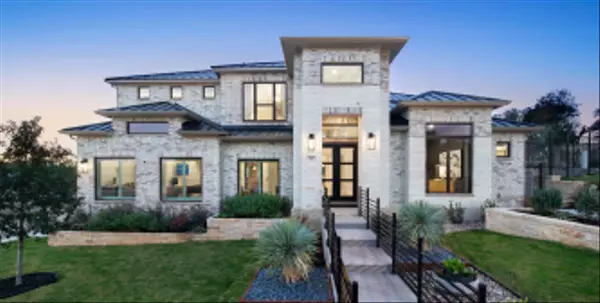
Model homes are designed to impress you. They usually include upgraded finishes, professional staging, premium lighting, landscaping, and layout features that may not be included in the base price. When you walk in, it is easy to picture yourself living there.
But your actual home may be very different.
You may be choosing between:
- A build-from-scratch option, where you select a lot, floor plan, and certain finishes.
- An inventory home, which is already built or partially built based on the builder’s chosen specifications.
Inventory homes can be convenient, especially when you need to move quickly. But depending on the stage of construction, you may have limited visibility into what happened behind the walls, under the slab, or during framing.
That is why it is so important to slow down and ask the right questions before signing.
Do Not Skip Independent Inspections
A common misconception is that a new home does not need an inspection.
It absolutely does.
Some builders may tell you the home has already been reviewed by their own team or that the local jurisdiction has inspected the work. That does not replace a thorough, independent home inspection. A municipal or county inspection is not the same thing as a buyer-focused home inspection, and the builder’s internal quality control is still working within the builder’s own process.
When buying a new construction home in San Antonio, you should consider inspections at multiple stages, including:
- Pre-slab or foundation stage
- Pre-drywall stage
- Final inspection before closing
The pre-drywall inspection is especially important because you can still see framing, electrical, plumbing, HVAC, and other systems before everything gets covered up.
Once drywall is installed, many issues become much harder to spot.
Construction Quality Can Vary by Crew and Project Manager
A builder’s name matters, but it is not the whole story.
Many buyers assume that a national or well-known builder automatically means the home will be built better. In reality, construction quality can vary from community to community and even from street to street.
Why?
Because builders often use subcontracted crews. The same type of framing, electrical, plumbing, or finish crew may work across multiple builders and communities. What can make a major difference is the project manager, the quality control process, the responsiveness of the builder, and how issues are handled when they come up.
That is why you should not rely only on branding or a beautiful sales center.
You want to look at homes in different stages of construction. Walk completed homes when possible. Look at homes under construction. Pay attention to the details. Are materials protected? Does the job site look organized? Do visible finishes look rushed? Are issues being corrected before closing?
These clues matter.
Builder Incentives Can Be Helpful, But Read the Fine Print
Some builders may offer attractive incentives, such as closing cost assistance, rate buydowns, or special financing promotions.
Those incentives can be useful, especially in a higher-rate environment. But incentives should not be the only reason you choose a home.
A lower monthly payment does not automatically fix a poor location, weak resale potential, limited lot appeal, construction concerns, or a warranty process that is difficult to navigate.
Before you get pulled in by the promotion, ask:
- What is the actual price of the home?
- Are similar homes selling for less nearby?
- What happens if you need to sell in a few years?
- Are there multiple builder-owned homes still available in the same community?
- What warranties are included?
- What is excluded?
- Who do you contact after closing if something goes wrong?
A good deal should still be a good home.
Pay Attention to Resale Risk
One of the most overlooked issues with San Antonio new homes is resale competition.
When you buy in a new construction community, you may eventually need to resell while the builder is still selling brand-new homes nearby. That can create a challenge.
Why would a buyer choose your resale home if the builder is offering a brand-new home down the street with incentives, fresh finishes, and preferred financing?
That does not mean you should avoid new construction. It means you need to understand the resale picture before buying.
Resale risk can be affected by:
- How many unsold homes the builder has
- Whether the community is still expanding
- Whether nearby homes are being discounted
- Lot size and location within the neighborhood
- Upgrades and floor plan appeal
- Whether the area has strong buyer demand beyond builder incentives
This is one reason representation matters. You want someone helping you think beyond the model home and the closing date.
Confirm the Actual Community Location
When you search online for new construction homes in San Antonio, be careful with map results.
Sometimes, the address shown online may be a builder’s corporate office, sales office, or regional location—not the actual neighborhood where homes are being built. This can create confusion if you are trying to understand commute routes, nearby amenities, or the true location of a community.
Before getting serious about a home, verify the actual community entrance, lot location, and surrounding development.
Do not rely only on a search result or a builder’s general service area.
Understand the Warranty Before You Close
Most buyers hear the word “warranty” and feel reassured.
But not all warranties are equal.
You need to understand what is covered, how long coverage lasts, what the claim process looks like, and who handles warranty requests after closing. Some buyers run into frustration when warranty issues are delayed, denied, or passed between departments.
Before closing, ask for the warranty documents in writing and review:
- Workmanship coverage
- Systems coverage
- Structural or foundation coverage
- Claim submission deadlines
- Emergency repair procedures
- Who your point of contact is after closing
- Whether warranty contacts are local, regional, or centralized
Also pay attention to foundation coverage. Foundation repairs can be expensive, and you need to understand whether your warranty is six years, ten years, or structured another way.
Do not assume. Verify.
Watch for Drainage and Grading Issues
Drainage is one of those things that may not seem exciting during the buying process, but it can become a major headache later.
A new home should be graded so water moves away from the foundation. Standing water, poor runoff, and drainage toward the home can create long-term concerns. The transcript included examples of buyer complaints related to water collecting near or behind homes after rain.
When walking a new construction home, look at:
- Slope around the foundation
- Neighboring lots and how water may flow
- Backyard drainage
- Side-yard spacing
- Low spots where water may collect
- Gutters and downspout placement
A final walkthrough on a sunny day may not reveal everything. That is why inspection and careful review matter.
Builder Reviews Can Help, But Use Them Carefully
Online reviews can be useful, but they need context.
Most buyers do not leave a long review when everything goes smoothly. Many reviews come from people who had problems. At the same time, repeated complaints about communication, warranty delays, poor workmanship, or unresolved issues should not be ignored.
Reviews are not perfect, but patterns matter.
Look for recurring themes:
- Are buyers saying the same issues happened repeatedly?
- Are complaints tied to one community or many?
- Does the builder respond professionally?
- Are warranty issues resolved or ignored?
- Are buyers frustrated before closing, after closing, or both?
The goal is not to find a builder with zero complaints. That may not be realistic. The goal is to understand the risk before you buy.
A Builder Sales Rep Represents the Builder
Builder sales representatives can be knowledgeable, helpful, and professional.
But their job is to sell the builder’s product.
That does not make them bad. It just means you need to understand the relationship. If you walk into a model home without your own representation, you may not have someone focused only on your side of the transaction.
A Realtor can help you compare communities, ask better questions, review resale concerns, coordinate inspections, document issues, and push for accountability when something is not completed properly.
As Tre Serrano, in San Antonio, often emphasizes with buyers, having representation is not about making the process harder. It is about making sure you understand what you are buying before you commit and that you have someone on your side making sure to hold the builder accountable from start to finish.
Should You Still Buy a New Construction Home?
Yes, a new construction home can still be a great choice.
For some buyers, it offers modern layouts, lower maintenance at move-in, builder incentives, energy-efficient features, and the ability to move into a growing area. For investors, certain builder inventory homes may offer a straightforward path to a rental-ready property. For first-time buyers, new construction may create access to a location or price point that fits their goals.
The key is not to avoid new construction.
The key is to buy carefully.
Before choosing a new home, you should know:
- What stage of construction the home is in
- Whether you can inspect it before closing
- What the builder warranty actually covers
- How the community may perform for resale
- Whether the incentives are truly worth it
- Who handles problems after closing
- Whether the builder has a pattern of unresolved complaints
- Whether the home’s location matches your long-term plans
A new home should feel exciting, but it should also make sense on paper.
Final Takeaway
Buying a new construction home in San Antonio can be a strong move when you approach it with the right strategy. Do not get distracted by the model home, the sales pitch, or the incentive package alone. Focus on construction quality, inspections, warranty protection, resale potential, and whether the community fits your bigger picture.
A brand-new home is still a major investment. Treat it like one.
Watch the Original Video
Want the full breakdown before you start touring model homes?
Check out the full YouTube neighborhood breakdown here:
👉 https://youtu.be/WqUWep0KiWA
In the video, Tre Serrano, in San Antonio, walks through what to watch for with new construction homes, including inspections, builder warranties, resale concerns, and why it helps to have representation before visiting a model home.
Categories
Recent Posts